

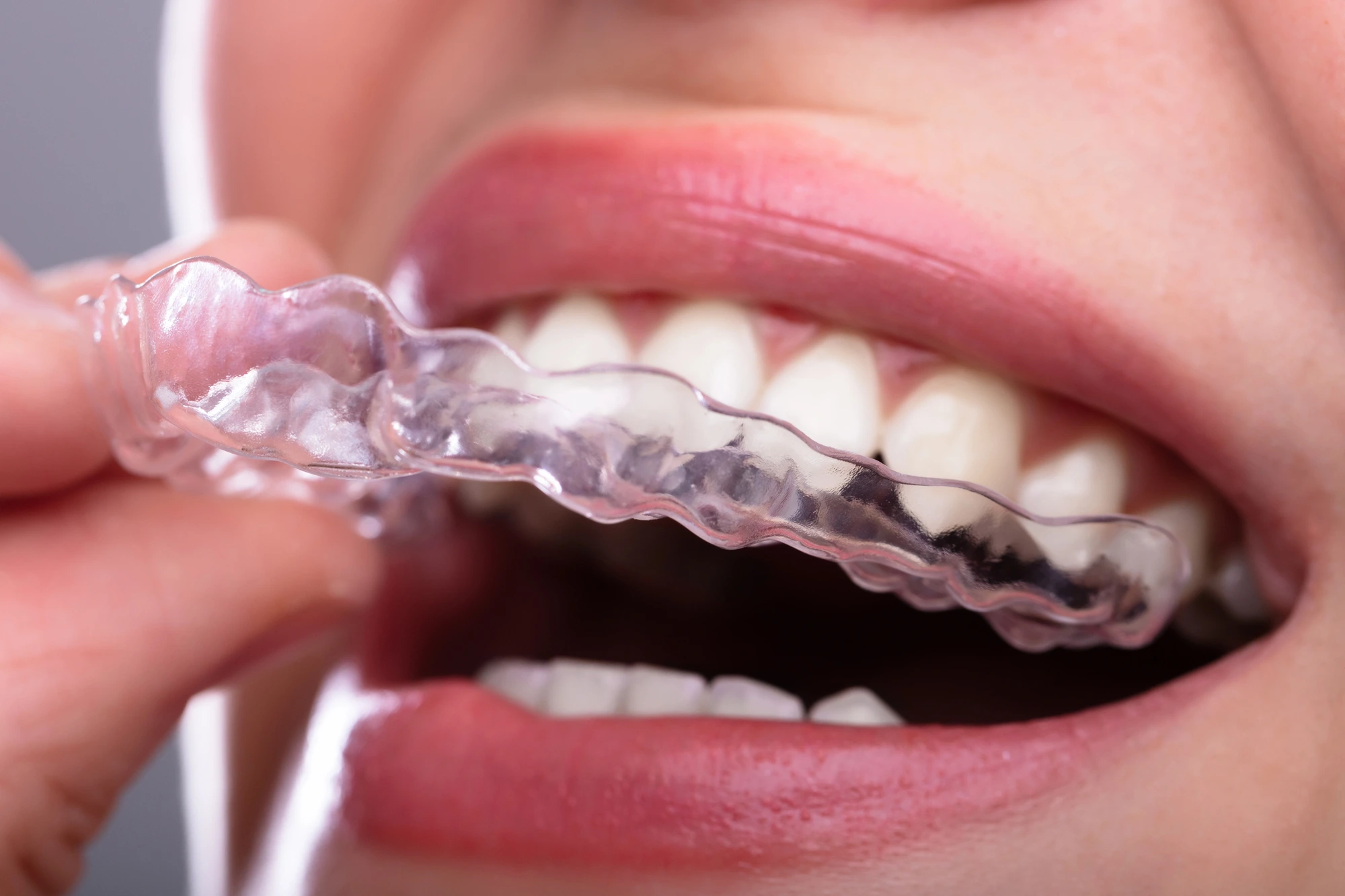
Teeth grinding, also known as bruxism, is a common condition that affects both adults and teens. Many people grind or clench their teeth without even realizing it, often while they sleep. Over time, this habit can lead to worn teeth, jaw discomfort, headaches, and other oral health concerns.
While Invisalign® is best known for straightening teeth and improving smiles, some patients may be surprised to learn that orthodontic treatment can also play a role in addressing certain factors associated with teeth grinding.
In some cases, improving tooth alignment with orthodontics in Leesburg, VA, may help reduce uneven pressure on the teeth and support better long-term oral health.
Understanding Teeth Grinding
Bruxism involves repeatedly grinding or clenching the teeth. For some people, it occurs during sleep, while others may clench their teeth during stressful situations throughout the day.
Common Causes of Bruxism
Teeth grinding can result from several factors, including:
- Stress and anxiety
- Sleep-related disorders
- Certain lifestyle habits
- Muscle tension in the jaw
Because bruxism can have multiple causes, a professional dental evaluation is important for identifying the underlying issue and recommending the most appropriate treatment.
How Teeth Grinding Affects Oral Health
When left untreated, teeth grinding can gradually damage the teeth and supporting structures.
Signs and Symptoms of Bruxism
Patients who grind their teeth may experience:
- Worn or flattened teeth
- Jaw discomfort or soreness
- Morning headaches
- Chipped or cracked teeth
- Damaged dental restorations
Over time, excessive grinding can weaken enamel and increase the risk of more significant dental problems. Identifying the issue early can help protect both your teeth and overall oral health.
The Connection Between Bite Alignment and Grinding
In some cases, bite alignment may contribute to grinding-related issues. When teeth do not come together properly, certain teeth may absorb more pressure than others during biting and chewing. This uneven force distribution can contribute to abnormal wear patterns and place additional stress on the jaw.
Every Patient Is Unique
It is important to understand that not all teeth grinding is caused by orthodontic problems. Stress, sleep disorders, and other factors often play a role as well. However, for some patients, correcting alignment issues may be an important part of a comprehensive treatment plan.
How Invisalign May Help Some Patients
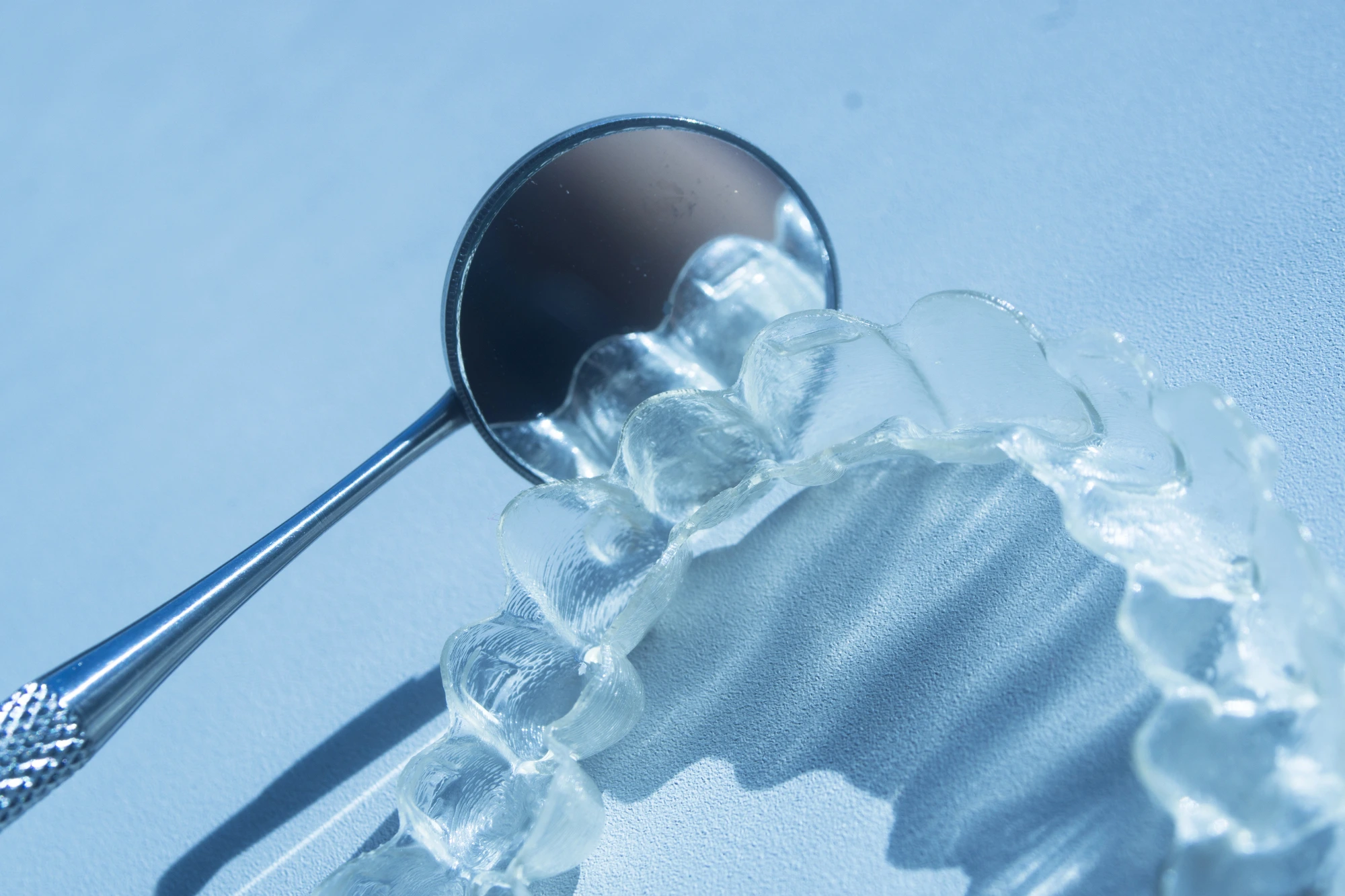
Invisalign uses a series of custom clear aligners to gradually move teeth into healthier positions. By improving alignment, Invisalign may help distribute biting forces more evenly across the teeth.
For some patients, this can offer several potential benefits, including:
- Reduced uneven tooth wear
- Improved bite function
- Easier access for brushing and flossing
- Enhanced smile appearance
- Better overall oral health
While Invisalign is not considered a direct treatment for bruxism, it may help address bite-related factors that contribute to excessive wear and discomfort. It’s always important to talk to a trusted dentist to discuss personalized treatment options.

Find Out Whether Invisalign Is Right for Your Smile with Orthodontics in Leesburg, VA
Invisalign offers more than cosmetic benefits. For some patients, improving tooth and bite alignment may help reduce uneven wear and support better long-term oral health. If you experience teeth grinding, jaw discomfort, or signs of bite-related problems, a professional evaluation with our team at Cardinal Park Dental Care can help determine the best course of treatment.
Schedule an appointment today to learn whether Invisalign or another personalized treatment option can help protect your teeth, improve your bite, and support a healthier, more confident smile.
*Invisalign®, the Invisalign logo, and iTero®, among others, are trademarks and/ or service marks of Align Technology, Inc. or one of its subsidiaries or affiliated companies and may be registered in the U.S. and/or other countries.